100% of Market Value or I Pay You The Difference!*
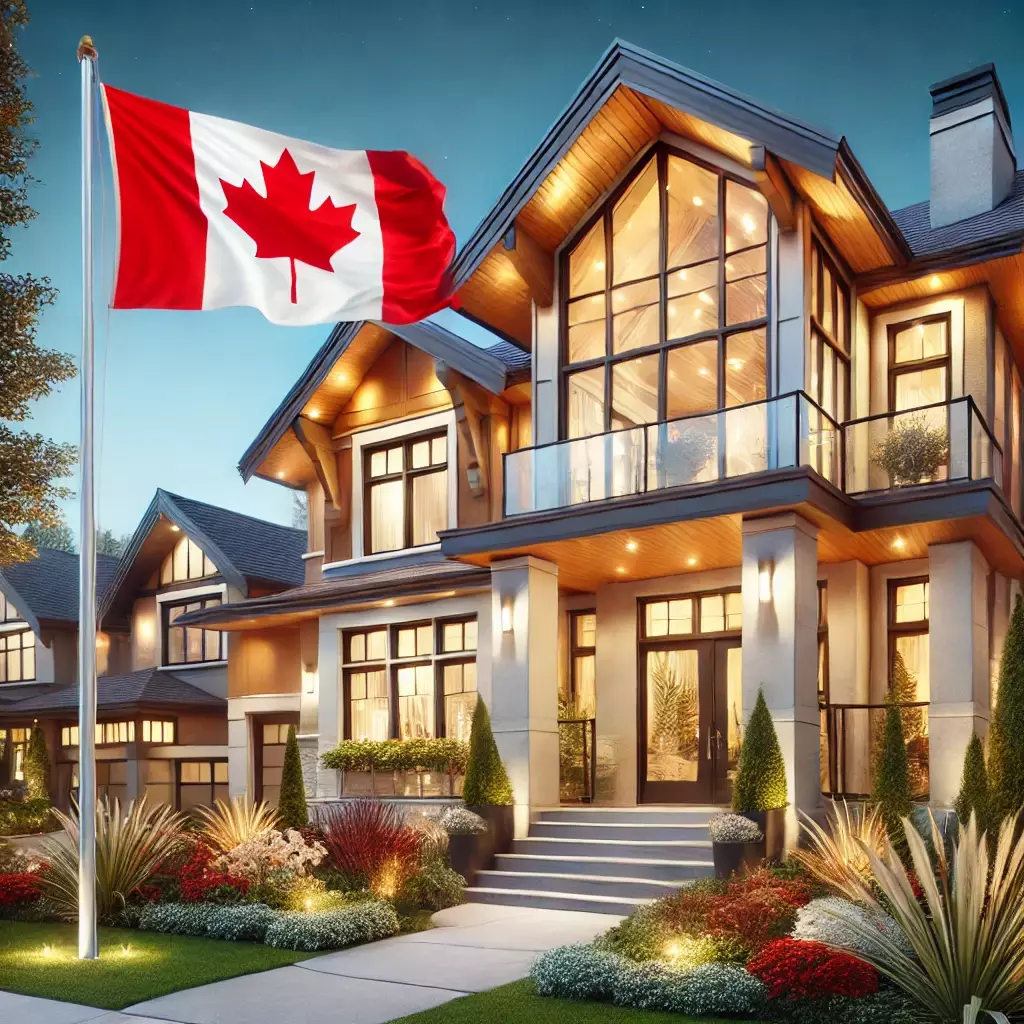 Proudly Canadian Owned and Operated | Your Home, Our Expertise
Oakville Real Estate Market Guide
Everything a buyer, seller, or investor needs to understand the Oakville housing market right now — current prices and inventory, neighbourhood-by-neighbourhood context, active listings, tools, and straight answers to the questions people ask most.
Quick answer: Oakville's housing market in mid-2026 favours buyers. The composite benchmark price sits at $1,060,100, down 8.4% from a year ago, while active listings remain far above their long-run average. The average home sold for $1,306,591 in May 2026, and typical inventory levels (3.9 months of supply) point to a market with more room to negotiate than in recent years — though detached homes remain in tighter supply than condos.
Why This Area
If you're weighing a move to Oakville, here's the practical picture: it's a lakefront town of about 213,759 residents (2021 Census) on Lake Ontario, roughly midway between Toronto and Hamilton and built around the historic harbour at Sixteen Mile Creek. For a buyer that means an established town with a full range of housing; for a seller it means a well-recognized address that draws interest from across the western GTA.
Getting Around & Commuting
Getting to Toronto is one of Oakville's biggest practical draws. Oakville GO Station sits on GO Transit's Lakeshore West line, the line's busiest station, with direct trains to Union Station downtown, and Metrolinx is expanding the corridor toward 15-minute service. A second stop, Confederation GO, has been added, and the Queen Elizabeth Way runs through the town. If you work in the city, that direct rail link is often the deciding factor.
Lifestyle & Amenities
Day to day, you're close to the water: Coronation Park and Bronte Heritage Waterfront Park sit on the Lake Ontario shoreline, and the roughly 8.5-kilometre Sixteen Mile Creek Trail runs through the middle of town. Shopping and dining cluster in three walkable districts: historic downtown Oakville on Lakeshore Road East, Kerr Village, and Bronte village by the harbour. These are the kind of amenities buyers ask about and sellers can point to.
Schools & Services
Oakville is served by two school boards, the Halton District School Board (public) and the Halton Catholic District School Board, so most neighbourhoods have both public and Catholic options nearby. We don't rank schools here; for current catchments, check each board's own boundary maps before you buy.
The Local Housing Market
Oakville's housing runs from condominiums near the GO stations and downtown to detached homes on the streets between the lake and the highways, so there's usually stock across a range of budgets. Local sales are reported through the Toronto Regional Real Estate Board (TRREB); see the market snapshot above for current prices and year-over-year trends.
Buying Here: What to Know
Two Ontario facts worth budgeting for as a buyer: the province charges a Land Transfer Tax on closing, and, unlike a purchase in the City of Toronto, a home in Oakville carries no additional municipal land transfer tax. If this is your first home, you can also claim a provincial refund of up to $4,000. Knowing these up front keeps your closing costs from surprising you.
Selling Here: What to Know
On the sell side, the same features that draw buyers — the Lakeshore West GO link, the waterfront parks, and the established downtown — are what your listing can lead with. Because pricing to the current market is what moves a home, ask us for a comparative market analysis for your street.
Explore Oakville Listings by Category
Hand-curated access points into live MLS® inventory across Oakville, updated continuously.
Buy in Oakville
Lifestyle & Location
Value & Opportunity
Oakville Neighbourhoods at a Glance
Oakville is not one market — it's a collection of distinct pockets, each with its own pace, price point, and buyer profile.
Old Oakville & Bronte
The town's historic core and harbourfront village, prized for tree-lined streets, walkable downtown shopping, marinas, and direct Lake Ontario access. Inventory here is limited and competition for renovated character homes stays high.
Glen Abbey
An established, golf-course community built around mature landscaping and top-rated schools. Popular with move-up families wanting space without leaving the QEW/GO corridor.
River Oaks & West Oak Trails
Family-oriented subdivisions with a mix of detached and townhome inventory, close to parks, trails, and newer schools — often the entry point for buyers moving up from a condo.
Uptown Core & College Park
Oakville's newer, denser hub, anchored by Sheridan College and a growing stock of condos and townhomes — typically the most accessible price points in town.
Iroquois Ridge & North Oakville (Palermo, Rural Oakville)
Oakville's growth frontier, with newer subdivisions, larger lots in Rural Oakville, and continued new-build activity, including condo towers near Bronte and the downtown.
Frequently Asked Questions
What is the average home price in Oakville right now?
The average sold price across all home types in Oakville was $1,306,591 in May 2026. The more stable MLS® HPI composite benchmark price — which adjusts for the mix of homes sold — was $1,060,100 for the same month, down 8.4% from a year earlier.
Is Oakville a buyer's or seller's market in 2026?
Conditions lean toward buyers. Months of inventory sit at 3.9, above the long-run average of 2.5 months, and active listings are running well above their five- and ten-year averages, giving buyers more selection and negotiating leverage than in recent years.
How long does it take to sell a home in Oakville?
Days-on-market varies by neighbourhood and price point, and figures differ across data sources, so it's best confirmed against a specific property type and area with a local REALTOR®. In general, elevated inventory in 2026 means homes are taking longer to sell than during the tighter markets of 2021-2022.
What is the best Oakville neighbourhood for waterfront living?
Old Oakville and Bronte offer the most direct Lake Ontario access and harbourfront character, with limited inventory that tends to move quickly when well-priced. See Oakville Waterfront Properties for current listings.
Are detached homes or condos softer in price right now?
On a percentage basis, condo apartment and townhouse benchmark prices have declined slightly more than detached, single-family benchmark prices year over year, though detached homes carry the higher absolute price point ($1,273,600 benchmark vs. $538,100 for apartments in May 2026).
Should I use a local Oakville REALTOR® instead of a general GTA agent?
Oakville's neighbourhood-level pricing, school catchments, and waterfront zoning nuances vary block by block, so local, day-to-day market knowledge typically matters more here than in less segmented markets. Contact Paul da Silva for neighbourhood-specific guidance.
Have a Question About the Oakville Market?
Reach Paul da Silva, Broker of Record with Prominent Realty Inc., Brokerage, directly by contacting us here, or learn more about Paul.
Sources
- The Oakville, Milton & District Real Estate Board (OMDREB), in cooperation with the Canadian Real Estate Association (CREA) — Monthly Market Statistics, May 2026. stats.crea.ca/board/oakv
- CREA MLS® Home Price Index (HPI) methodology. crea.ca/housing-market-stats/mls-home-price-index
- Toronto Regional Real Estate Board (TRREB) — Oakville Community Housing Market Reports (neighbourhood context).
Content last reviewed and updated: July 27, 2026. Market figures reflect the most recent OMDREB/CREA report available at time of writing (May 2026) and will be refreshed as new monthly data is released.